

How To Clean An Electric Guitar Bridge
Fig. one. A clean, well-condition fretboard just begs to be played.
Learn how to clean and condition your guitar and notice why it'south crucial to stay on top of such routine maintenance.
The proper cleaning and conditioning of your musical instrument is critical to its wellness. Over the years, I've seen many extreme cases of guitars that were permanently damaged from neglect. Without proper intendance, a guitar volition lose value and eventually get unplayable. Still, it'due south not difficult to clean and condition a guitar—it simply takes a piffling time and effort. And that's a worthy investment: Keeping your musical instrument in top status will save you a lot of money in future repairs.
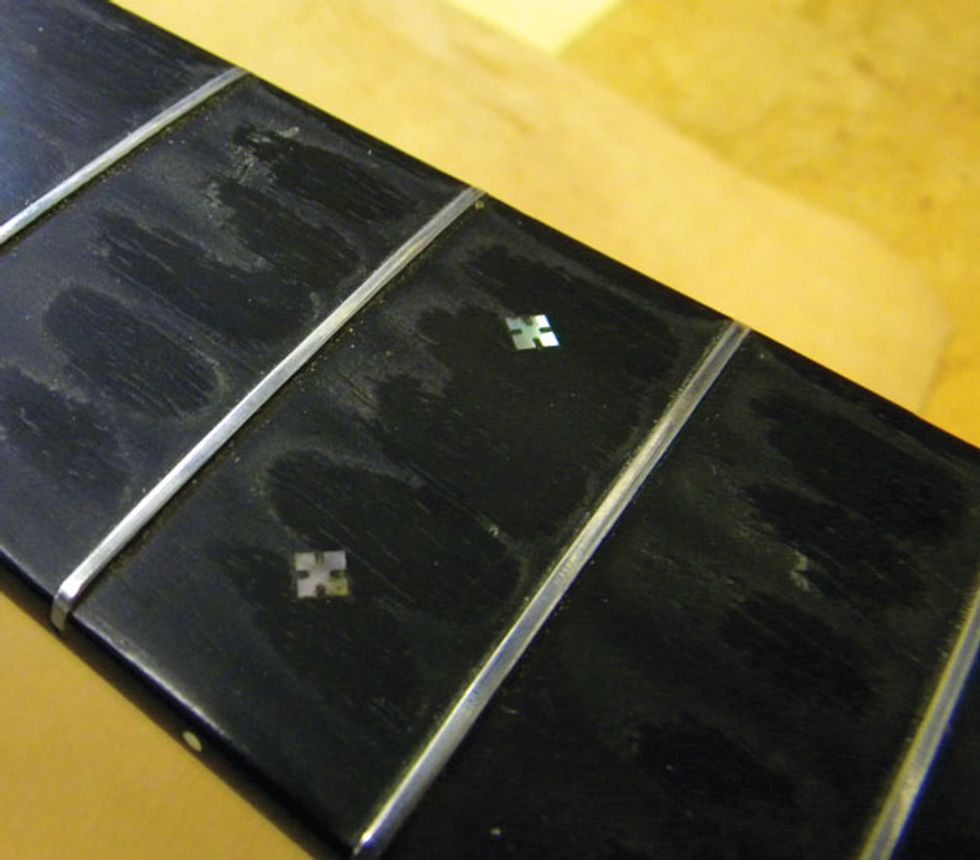
Fig. two. Not only does fretboard gunk wait unattractive, over time it can damage your instrument.
As we play, dead skin cells, sweat, and dirt build up on the fretboard and collect effectually the frets. Not simply is this unattractive (Fig. two), but the moisture, acids, and salts in sweat cause the woods around the frets to deteriorate. This can cause dry rot in the fretboard, which results in loose frets and very expensive repairs.
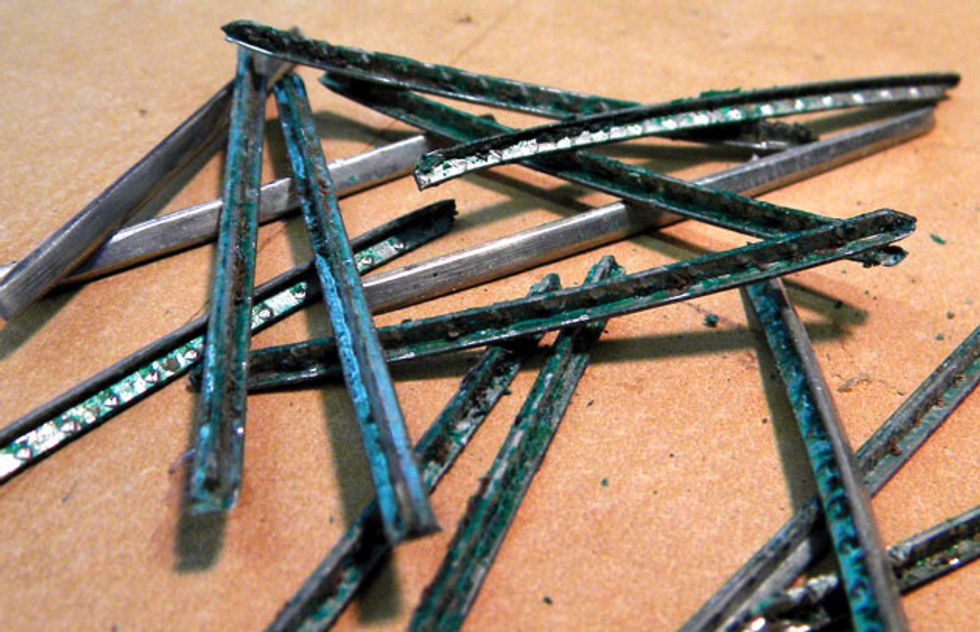
Fig. 3. These frets have become corroded through neglect.
I can ever tell if a fretboard hasn't been conditioned when I examine the frets. This is especially noticeable when I'1000 doing a refret. After I remove the old frets, I can encounter nasty gunk on the tangs and green corrosion all over the fret wire (Fig. 3).
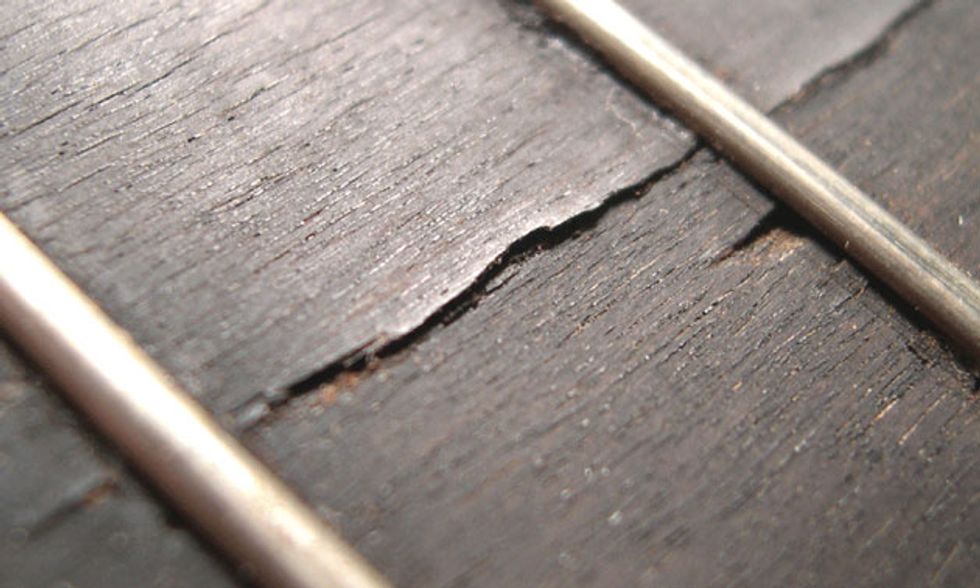
Fig. iv. If you don't clean and condition your fretboard, it may cleft.
Cracks are another terrifying byproduct of not workout your fretboard (Fig. 4). When sweat evaporates, information technology tin can dry out the fretboard and cause it to crack.
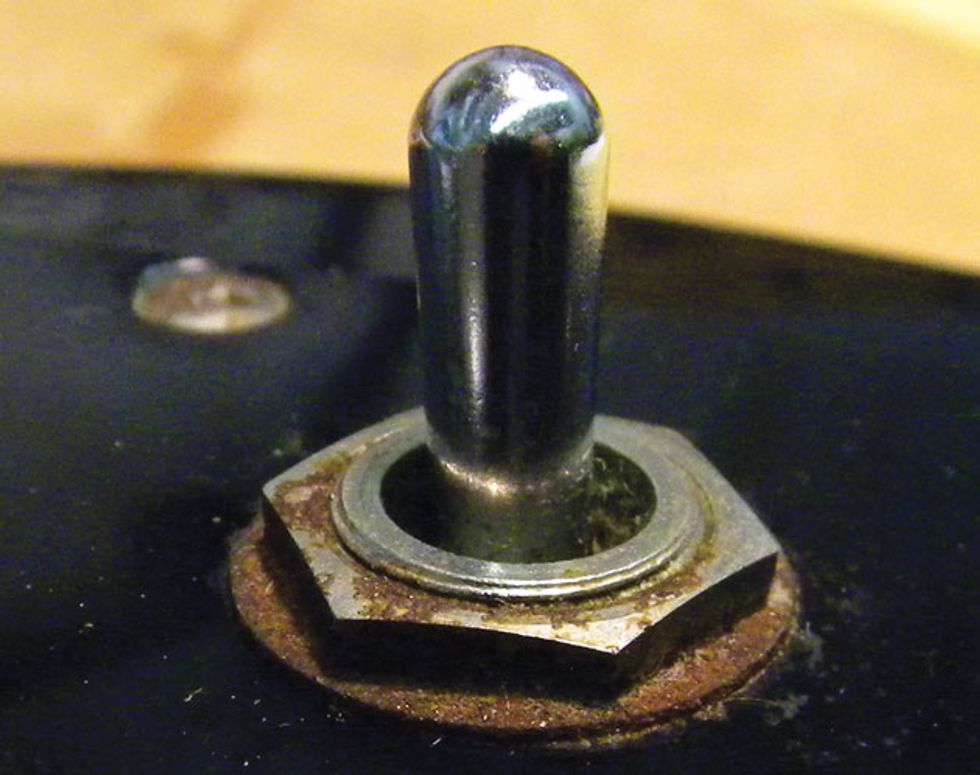
Fig. 5. If they're not cleaned regularly, pickups, potentiometers, and switches tin can become corroded past the salts and acids in sweat.
A guitar'due south electronics can also suffer from expressionless skin cells and sweat. When acids and salts build upwards on a pickup, they can corrode the coils and magnets and cause the pickup to fail. These corrosive materials have the same effect on potentiometers and switches (Fig. v).
Many string and accessory manufacturers offer conditioners for your guitar. Only be aware that most of these products, including lemon oil, contain harmful chemicals and solvents that volition damage your guitar's wood and end. Avoid anything that contains d-Limonene, alcohol, or silicone.
Derived from oil extracted from citrus rind, d-Limonene contains natural acids. These acids can deed as a solvent and break down finishes and crusade the wood around the frets to deteriorate. Alcohol dries out the fretboard, bridge, and other unfinished wood, and tin can cause cloudiness in certain types of finish. Silicone prevents the woods from breathing and can cause the terminate on your guitar to get hazy. It's also very hard to remove.
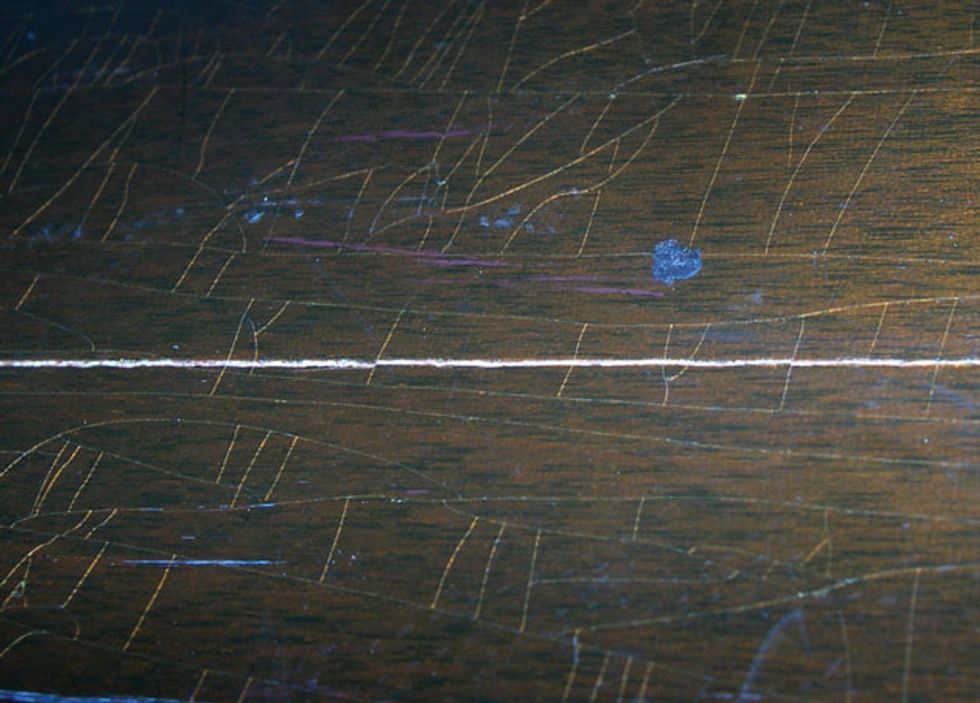
Fig. 6. When wood isn't sufficiently humidified, it can dry out out and scissure. This guitar dorsum has seen amend days.
Controlling humidity is another important aspect of guitar intendance. When a guitar gets too dry, the forest cracks (Fig. 6). Conditioning forest certainly helps prevent it from swell, but information technology's also a good thought to use a humidifier. New guitars tend to be more than prone to humidity cracks than older instruments. Here'south why: Most older or vintage guitars were made from air-dried wood. This woods was dried out over several decades, and during this process whatsoever pieces that cracked were culled out. The older harvested wood gets, the more stable it becomes, just information technology'due south a lengthy, painstaking mode to dry wood. Modern guitars are primarily made from kiln-dried wood. Kiln drying is designed to speed upwards the aging process, but only time tin truly age a piece of forest. Guitars made from kiln-dried wood are more susceptible to changes temperature and humidity. Maintaining a guitar-friendly humidity level helps preclude wood from bully, and we'll discuss how to do this in a moment.
Cleaning and workout the fretboard. Nosotros'll commencement by cleaning the fretboard, and the offset step here is to remove the strings. Yes, all of them! People oft say, "Won't removing all the strings at the same time damage the neck?" The fact is, it won't. Forest has an excellent memory, so you don't have to worry about removing all the strings to service your fretboard. Luthiers do information technology all the time.
There are several ways to clean a fretboard, and one approach is to utilise 0000 steel wool. This works peachy, peculiarly when you want to make your frets shine, but information technology makes a big mess. Caution: Practice non employ steel wool on a maple fretboard that has a glossy end. Rubbing steel wool on any terminate will make it hazy.
Keeping your musical instrument in tiptop condition will save you a lot of money in future repairs.
If yous make up one's mind to use steel wool, use only 0000 grade. This is the finest steel wool and will not damage the fretboard or frets. If you're cleaning an electric guitar (or an acoustic with a magnetic soundhole pickup), cover the pickups with painter's tape to prevent the steel fibers from collecting around the pole pieces. These very fine steel fibers tin cause a pickup to corrode, and they also cause dissonance if they contact the strings.
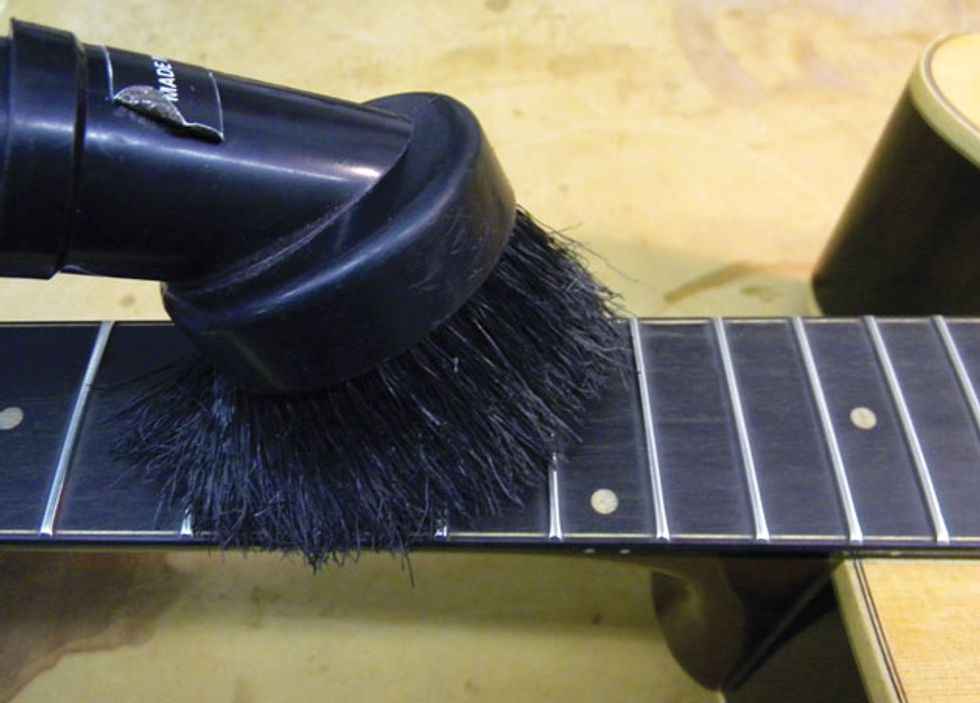
Fig. 7. If you opt to clean your fretboard and polish its frets with 0000 steel wool, remember to vacuum upwardly the fibers that inevitably shed during this procedure.
Apply a fretboard conditioner to the fretboard and gently rub the conditioner into the forest with the steel wool pad, turning it frequently. Motion across the fretboard, cleaning the woods between the frets, and and then work the pad along the side of each fret. Once the fretboard is clean, run the pad up and down along the acme of the frets to polish them.
Afterwards cleaning the fretboard with steel wool, use a vacuum to carefully remove the steel fibers that inevitably shed from the pad (Fig. seven). Avoid getting the fibers on the guitar's terminate, every bit they can scratch it.
My preferred method for cleaning the fretboard is to use an old toothbrush and Planet Waves Hydrate, a type of fretboard conditioner. This approach is less messy than using steel wool, but information technology'southward of import to notation that Hydrate is only for dark fretboards—don't use it on maple 'boards.
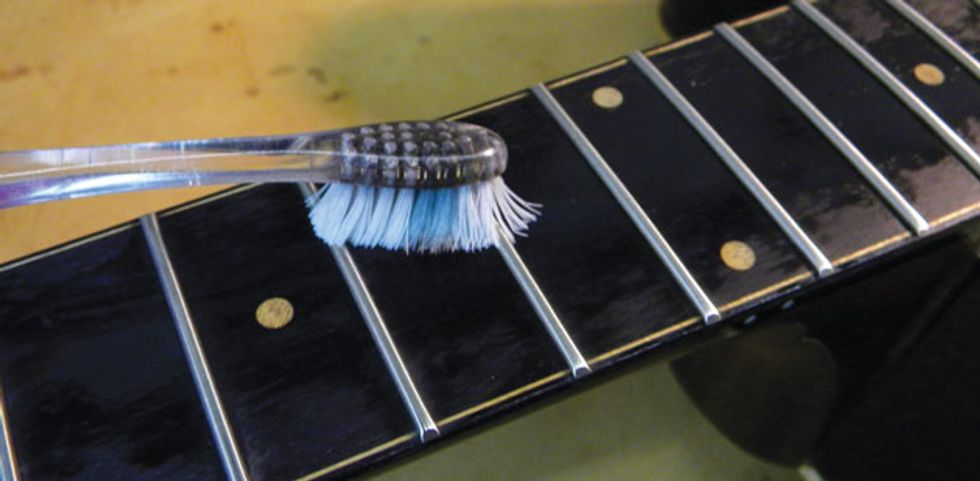
Fig. 8. An culling to steel wool: Clean the woods with a toothbrush and fretboard conditioner.
I like using a toothbrush because you can scrub all you want without damaging the woods or the frets. Merely spray Hydrate onto your fretboard and work it into the wood and effectually the frets with the toothbrush bristles (Fig. eight). Once the gunk is loosened, wipe it off with a paper towel. Besides be sure you wipe off any backlog conditioner to forbid it from blanket the strings.
But the toothbrush technique won't polish the frets. If you're not too slap-up on using 0000 steel wool to practise this (and I don't arraign y'all), Planet Waves makes a product called the Fret Polishing Organisation. Basically, it'southward super-fine polishing paper that'south packaged with a protective stiff paper template that covers the wood while exposing the fretwire. The template fits medium or jumbo frets and y'all can utilise the kit on maple or dark fretboards.
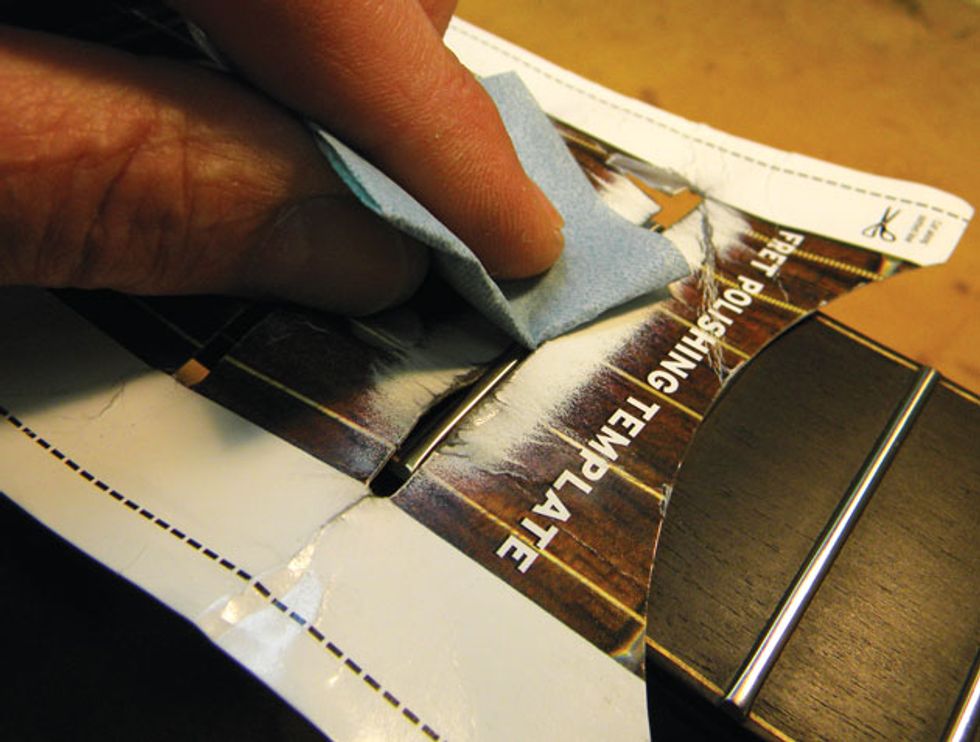
Fig. 9. Planet Waves' Fret Polishing System includes super-fine abrasive paper and a baby-sit to protect the forest.
Merely lay the template over the fretwire and polish the frets until they glisten (Fig. 9). The kit works corking and there is trivial mess to clean up. Merely even with this organization, you'll desire to vacuum the balance off the neck left by the polishing newspaper.
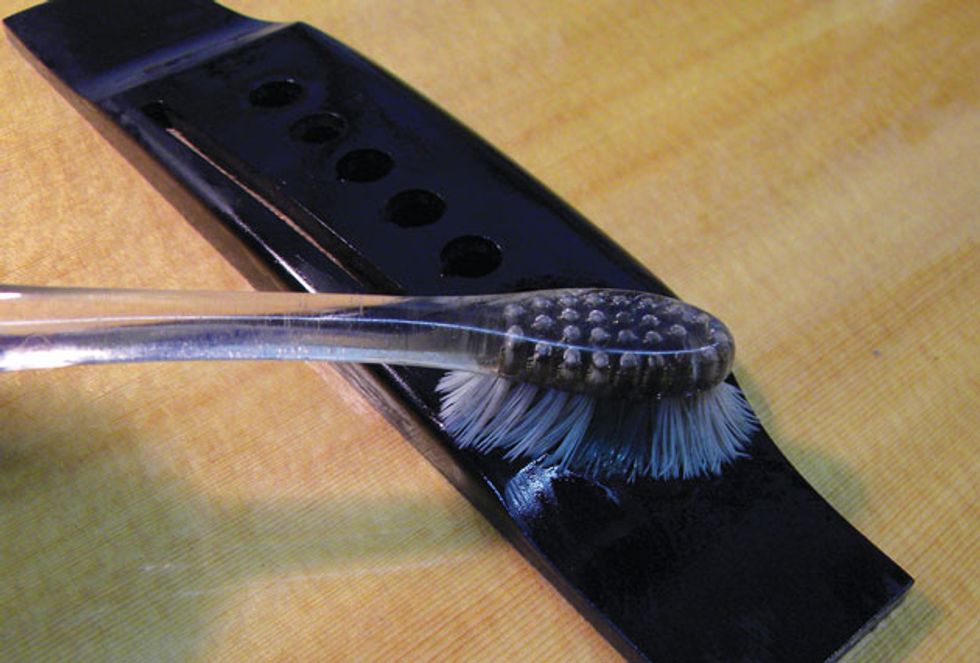
Fig. 10. Similar the fretboard, an audio-visual guitar's bridge needs to exist cleaned and conditioned.
Cleaning and conditioning a span. Information technology'south very simple to clean and status the bridge on an acoustic guitar. Remove the span saddle and then scrub the bridge with a toothbrush and conditioner (Fig. x). Use cotton swabs to clean inside the saddle slot. When the gunk is cleaned off, wipe down the bridge with a paper towel. That's information technology!
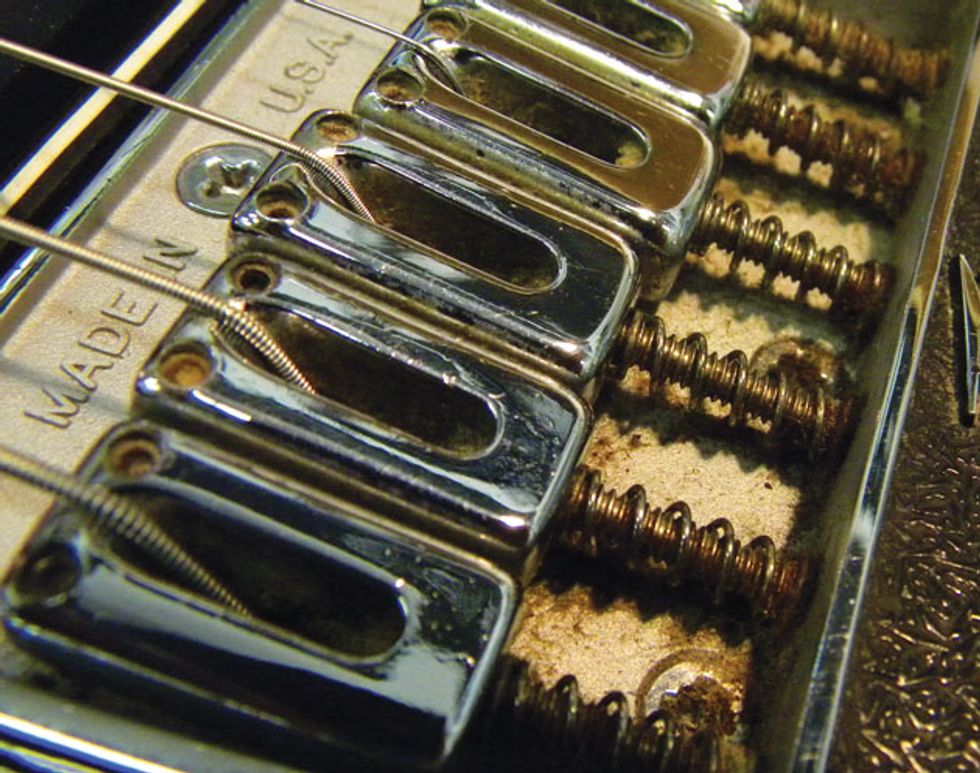
Fig. 11. Filth can build up on a span and its saddles. When hardware gets this muddy and rusty, you'll need to disassemble and clean it with WD-forty or three-in-One oil.
Cleaning the hardware. Sweat is a big enemy of hardware because its acids and salts corrode the metal plating and concenter clay that clogs upwards whatever moving parts. In farthermost cases, a guitar'southward bridge (Fig. 11) and tuning keys (Fig. 12) can brainstorm to rust. Cleaning these important mechanisms keeps them looking good and functioning at their all-time.
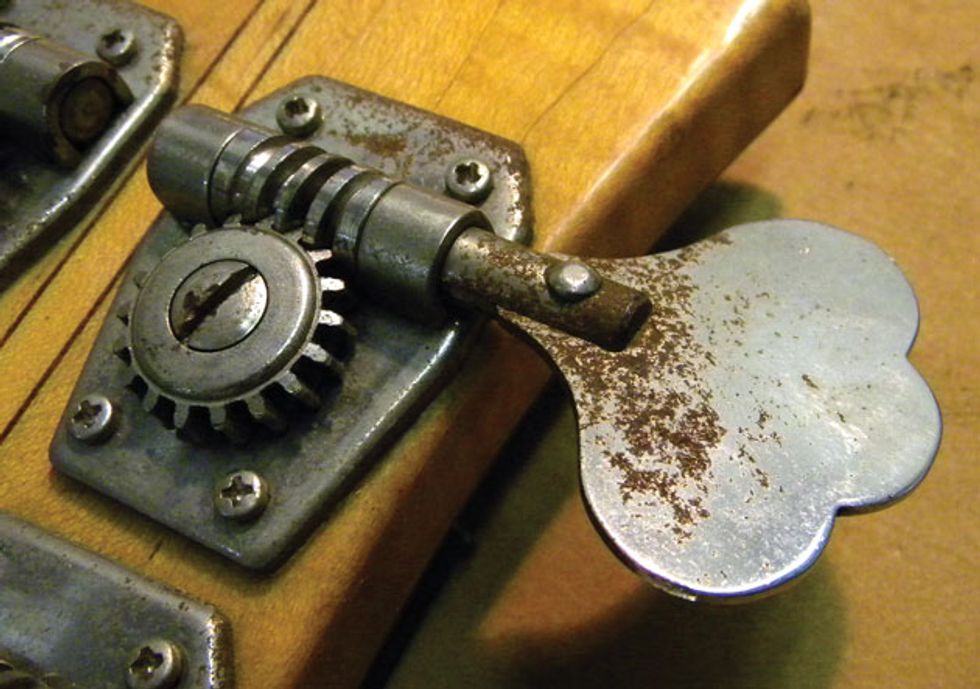
Fig. 12. If left on metal hardware, sweat can swallow correct into the plating and cause rust.
For cleaning metal hardware, I've had success with 3-in-1 oil and WD-40. Retrieve that these products are only safe on metal, so avoid getting them on the fretboard or finish. I typically remove the hardware to clean it with an old toothbrush and then carefully wipe it off before reinstalling.
Cleaning the terminate. When cleaning your guitar's finish, avert furniture polishes like Pledge, which contains lemon oil, or products that incorporate d-Limonene, alcohol, solvents, or silicone. All of these will damage the finish over fourth dimension. Sweat is another finish-eater considering it causes lacquer to soften and interruption downwards.
Water really works well to clean a guitar finish. Utilise a slightly damp micro-fiber fabric to wipe abroad dust and grime, and rinse the material often to remove whatsoever debris. Every bit for a good polish, I only use pure carnauba wax, which is rubber for most finishes.
The Bug
Before nosotros discuss how to make clean and status a guitar, it's important to sympathise where the potential problems lie and why we demand to address them.
Two important components to make clean, condition, and humidify are the fretboard and bridge. This is crucial considering they are typically made of unfinished or untreated wood. Maple fretboards are an exception because they have some type of finish and therefore merely need to be cleaned, merely not conditioned. Rosewood and ebony fretboards and bridges must be cleaned and conditioned to prevent sweat and dirt from damaging the forest. A clean fretboard not just looks great (Fig. i), but it feels great nether your fingertips.
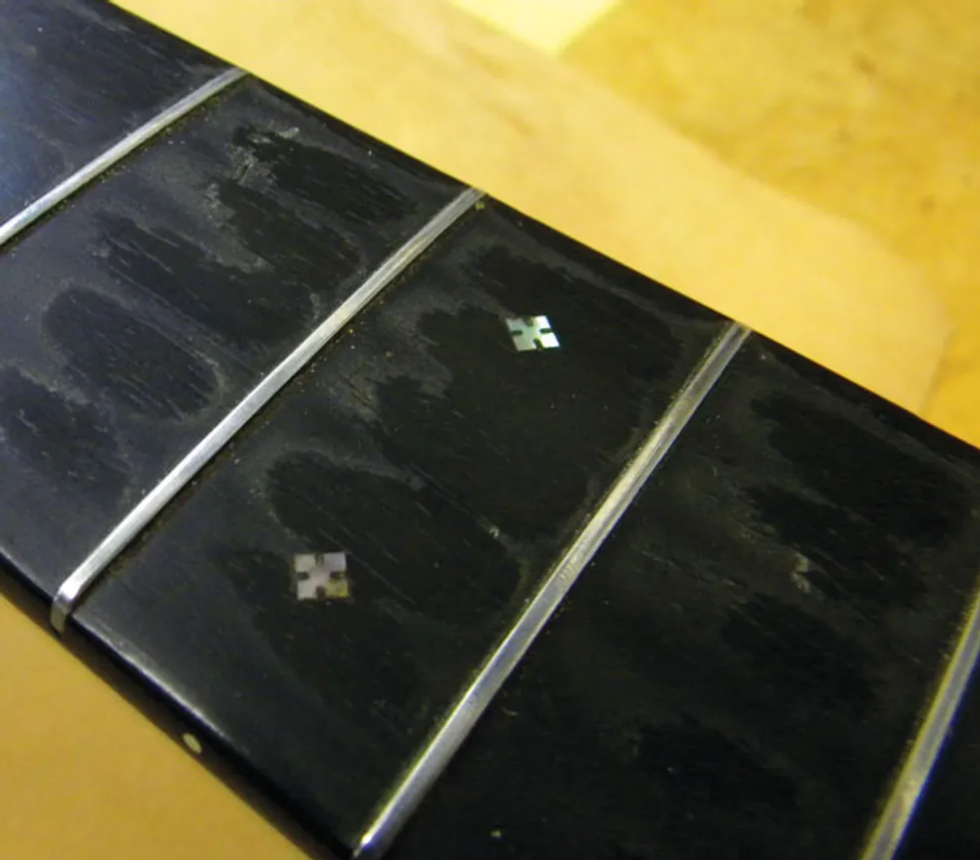
Fig. 2. Non only does fretboard gunk expect unattractive, over time it can damage your instrument.
Every bit we play, dead skin cells, sweat, and dirt build up on the fretboard and collect around the frets. Not but is this unattractive (Fig. ii), but the wet, acids, and salts in sweat cause the wood around the frets to deteriorate. This tin cause dry rot in the fretboard, which results in loose frets and very expensive repairs.
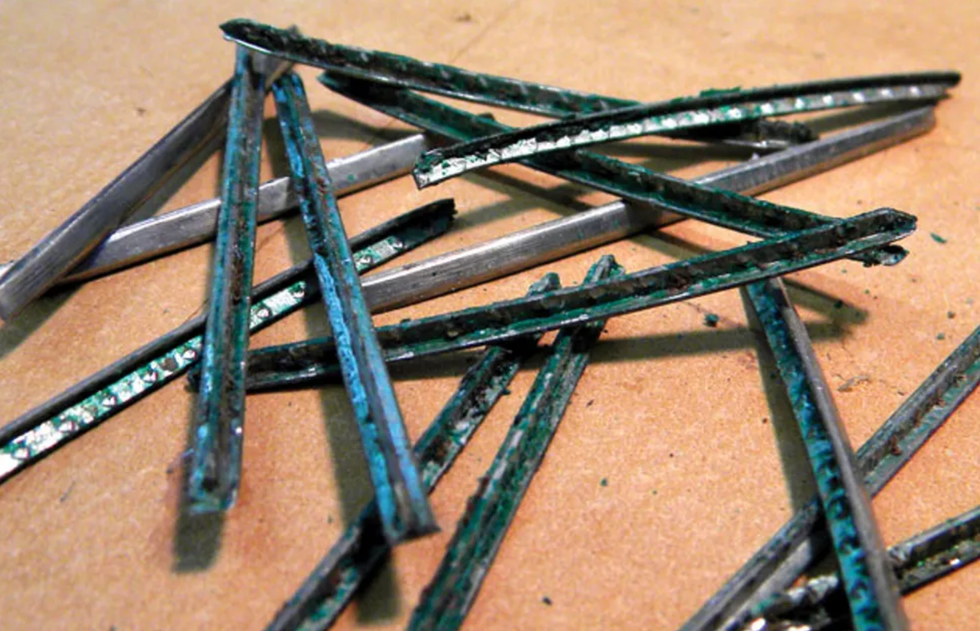
Fig. 3. These frets have go corroded through neglect.
I can always tell if a fretboard hasn't been conditioned when I examine the frets. This is especially noticeable when I'm doing a refret. After I remove the old frets, I can come across nasty gunk on the tangs and greenish corrosion all over the fret wire (Fig. 3).
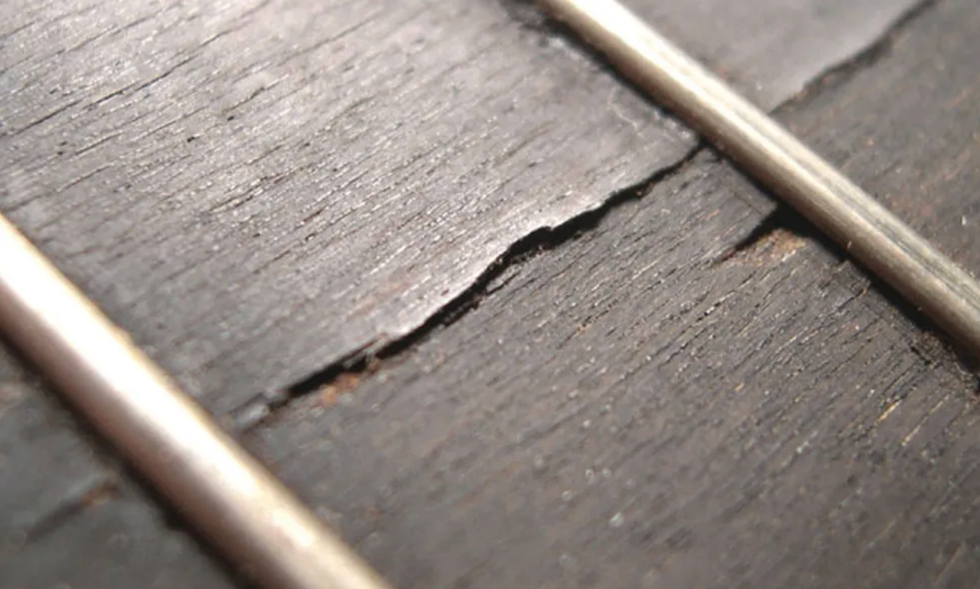
Fig. 4. If you don't clean and condition your fretboard, it may crack.
Cracks are another terrifying byproduct of not conditioning your fretboard (Fig. iv). When sweat evaporates, it can dry out the fretboard and cause it to crevice.
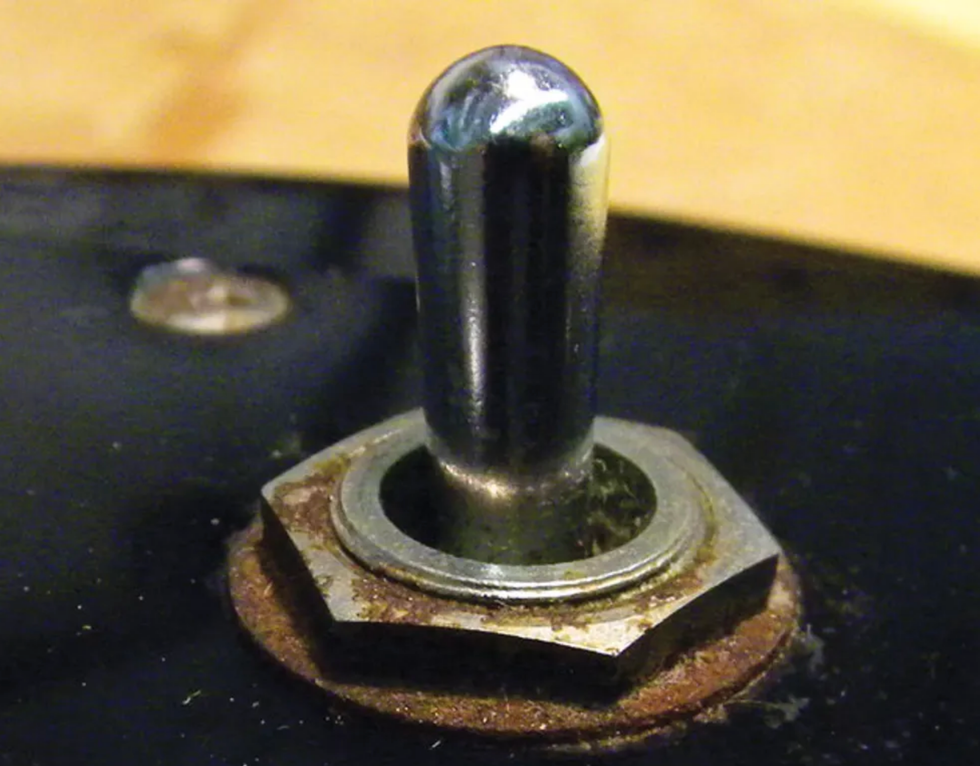
Fig. 5. If they're not cleaned regularly, pickups, potentiometers, and switches can become corroded by the salts and acids in sweat.
A guitar's electronics can also suffer from expressionless skin cells and sweat. When acids and salts build up on a pickup, they tin can corrode the coils and magnets and cause the pickup to fail. These corrosive materials have the same upshot on potentiometers and switches (Fig. 5).
Many string and accessory manufacturers offer conditioners for your guitar. But exist aware that most of these products, including lemon oil, contain harmful chemicals and solvents that will impairment your guitar's wood and finish. Avert annihilation that contains d-Limonene, booze, or silicone.
Derived from oil extracted from citrus rind, d-Limonene contains natural acids. These acids tin human action as a solvent and intermission downward finishes and cause the wood around the frets to deteriorate. Alcohol dries out the fretboard, bridge, and other unfinished wood, and can crusade cloudiness in certain types of finish. Silicone prevents the wood from breathing and can crusade the cease on your guitar to go hazy. It's also very difficult to remove.
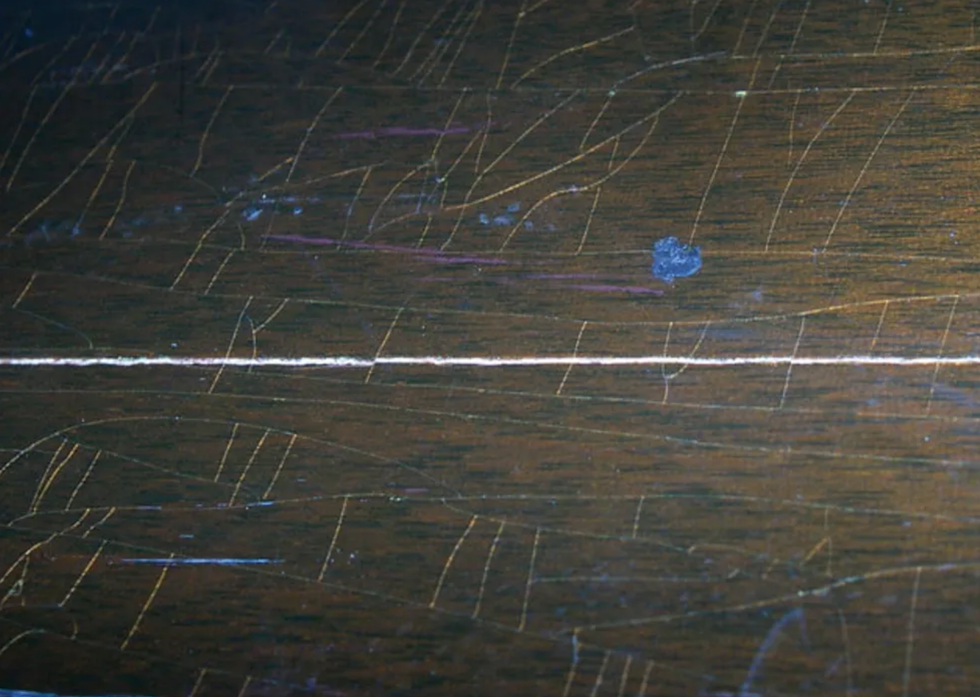
Fig. half-dozen. When wood isn't sufficiently humidified, it tin can dry out out and crack. This guitar back has seen better days.
Controlling humidity is another important aspect of guitar intendance. When a guitar gets too dry, the wood cracks (Fig. 6). Conditioning wood certainly helps prevent it from cracking, but it's also a skillful idea to use a humidifier. New guitars tend to be more prone to humidity cracks than older instruments. Here's why: Most older or vintage guitars were made from air-stale wood. This forest was dried out over several decades, and during this process whatever pieces that cracked were culled out. The older harvested woods gets, the more stable information technology becomes, but it's a lengthy, painstaking way to dry wood. Modern guitars are primarily made from kiln-stale wood. Kiln drying is designed to speed up the aging procedure, merely only fourth dimension tin truly age a piece of wood. Guitars made from kiln-dried woods are more susceptible to changes temperature and humidity. Maintaining a guitar-friendly humidity level helps prevent wood from cracking, and we'll discuss how to do this in a moment.
Cleaning and Workout the Fretboard.
Nosotros'll showtime by cleaning the fretboard, and the start stride here is to remove the strings. Yes, all of them! People ofttimes say, "Won't removing all the strings at the same time damage the neck?" The fact is, information technology won't. Wood has an excellent memory, so y'all don't have to worry nigh removing all the strings to service your fretboard. Luthiers do information technology all the time.
There are several means to make clean a fretboard, and i approach is to use 0000 steel wool. This works great, particularly when y'all desire to make your frets shine, but it makes a big mess. Caution: Do not apply steel wool on a maple fretboard that has a glossy finish. Rubbing steel wool on any terminate will arrive hazy.
If you decide to apply steel wool, use just 0000 grade. This is the finest steel wool and volition non damage the fretboard or frets. If yous're cleaning an electric guitar (or an acoustic with a magnetic soundhole pickup), cover the pickups with painter's tape to prevent the steel fibers from collecting effectually the pole pieces. These very fine steel fibers can cause a pickup to corrode, and they as well cause dissonance if they contact the strings.
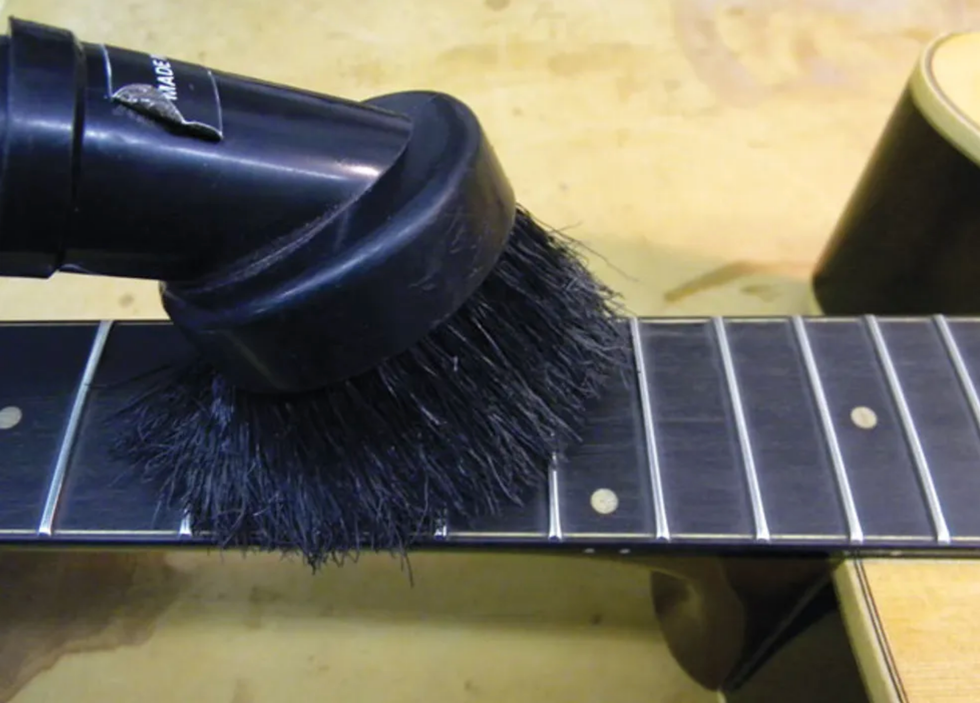
Fig. 7. If yous opt to clean your fretboard and polish its frets with 0000 steel wool, recall to vacuum up the fibers that inevitably shed during this procedure.
Employ a fretboard conditioner to the fretboard and gently rub the conditioner into the wood with the steel wool pad, turning it frequently. Move across the fretboard, cleaning the woods between the frets, and then work the pad along the side of each fret. Once the fretboard is clean, run the pad up and down along the top of the frets to polish them.
After cleaning the fretboard with steel wool, use a vacuum to carefully remove the steel fibers that inevitably shed from the pad (Fig. 7). Avert getting the fibers on the guitar's finish, as they can scratch it.
My preferred method for cleaning the fretboard is to utilize an old toothbrush and Planet Waves Hydrate, a type of fretboard conditioner. This approach is less messy than using steel wool, but it's important to note that Hydrate is only for night fretboards—don't utilise information technology on maple 'boards.
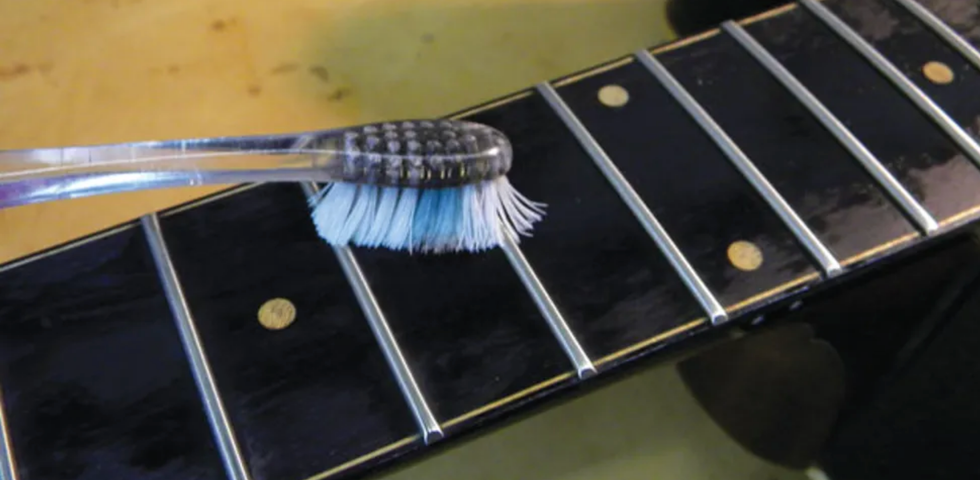
I like using a toothbrush considering you lot tin scrub all you lot want without damaging the wood or the frets. Simply spray Hydrate onto your fretboard and work it into the wood and around the frets with the toothbrush bristles (Fig. 8). Once the gunk is loosened, wipe it off with a paper towel. Also be certain you wipe off any excess conditioner to prevent information technology from blanket the strings.
Merely the toothbrush technique won't shine the frets. If you lot're not too keen on using 0000 steel wool to do this (and I don't blame you), Planet Waves makes a product called the Fret Polishing Organization. Basically, information technology'southward super-fine polishing paper that's packaged with a protective stiff paper template that covers the woods while exposing the fretwire. The template fits medium or jumbo frets and you tin can use the kit on maple or dark fretboards.
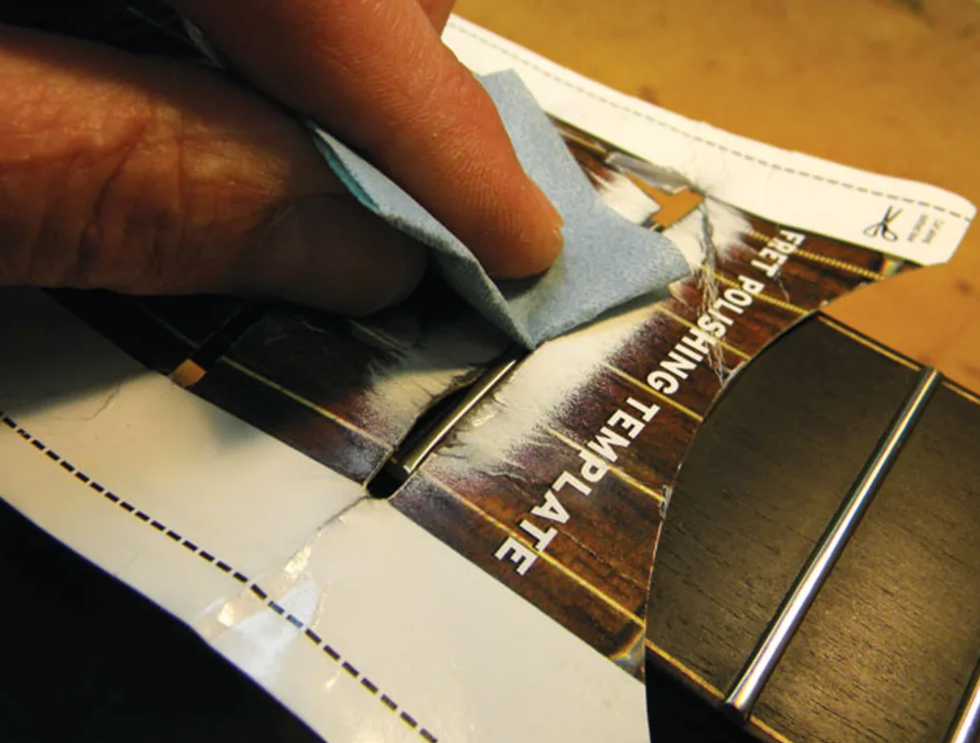
Fig. nine. Planet Waves' Fret Polishing System includes super-fine abrasive paper and a baby-sit to protect the woods.
Simply lay the template over the fretwire and polish the frets until they coruscate (Fig. 9). The kit works great and there is little mess to clean upward. But fifty-fifty with this system, y'all'll desire to vacuum the remainder off the cervix left by the polishing paper.
Cleaning and Conditioning a Bridge.
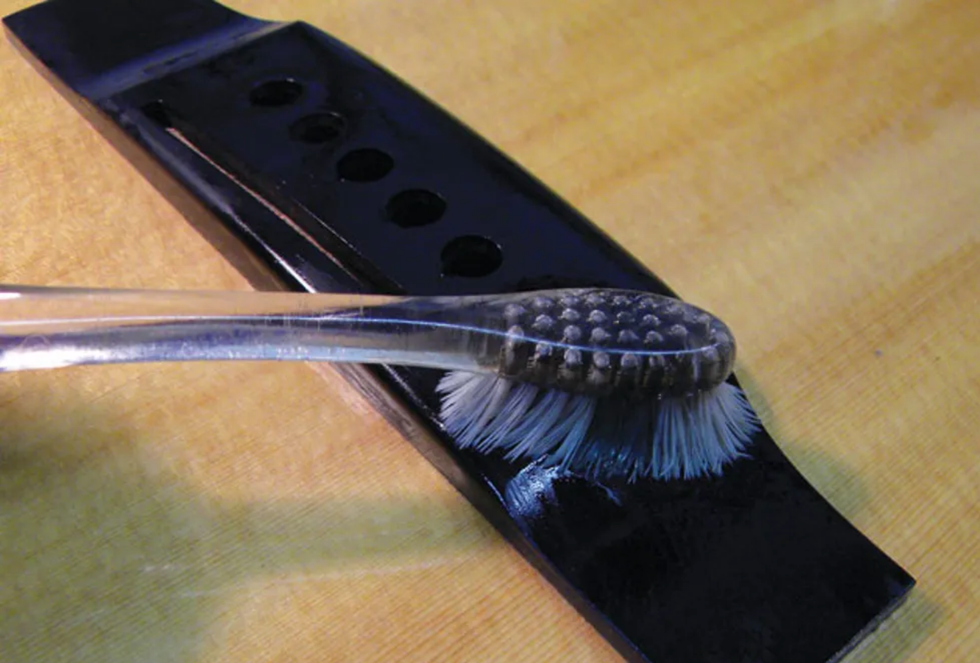
Fig. 10. Similar the fretboard, an acoustic guitar's bridge needs to exist cleaned and conditioned.
It's very simple to clean and condition the bridge on an acoustic guitar. Remove the bridge saddle and so scrub the span with a toothbrush and conditioner (Fig. 10). Use cotton fiber swabs to clean inside the saddle slot. When the gunk is cleaned off, wipe downwardly the bridge with a paper towel. That's it!
Cleaning the Hardware.
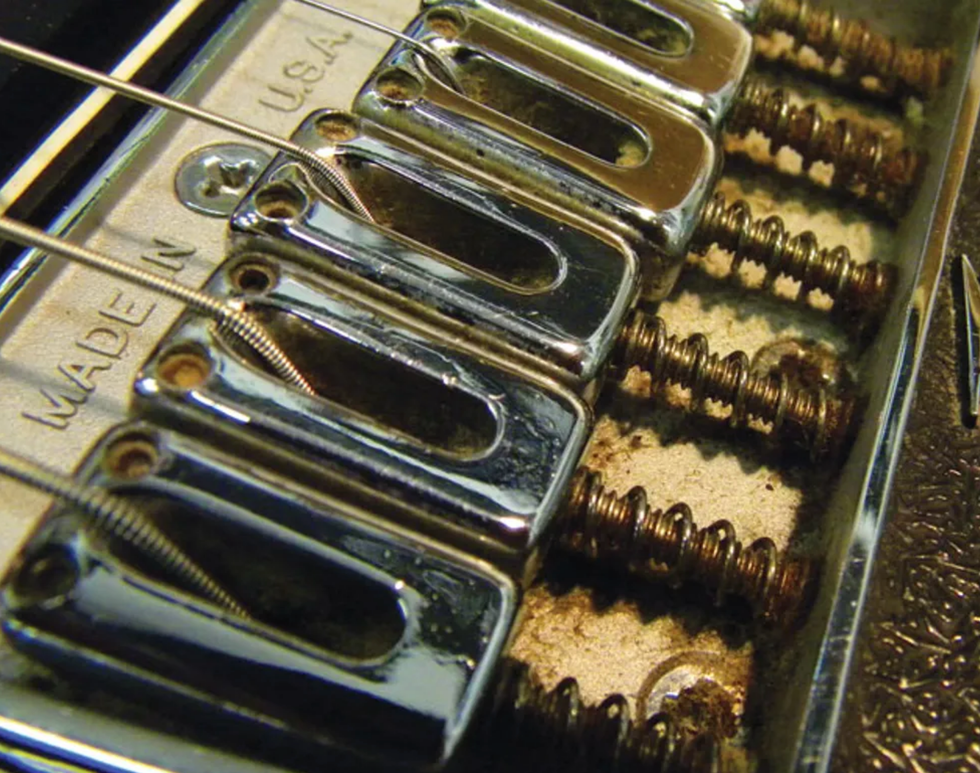
Fig. 11. Filth can build up on a bridge and its saddles. When hardware gets this dirty and rusty, yous'll demand to disassemble and clean it with WD-40 or three-in-One oil.
Sweat is a big enemy of hardware because its acids and salts corrode the metallic plating and concenter dirt that clogs up any moving parts. In farthermost cases, a guitar'south bridge (Fig. 11) and tuning keys (Fig. 12) can begin to rust. Cleaning these important mechanisms keeps them looking good and functioning at their all-time.
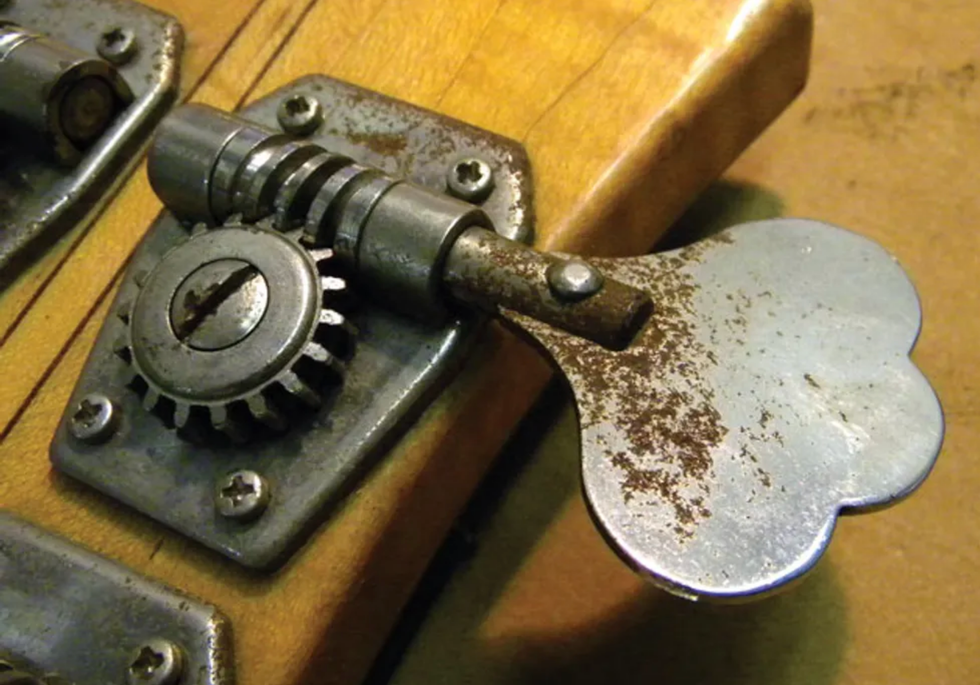
For cleaning metal hardware, I've had success with three-in-Ane oil and WD-40. Remember that these products are only safe on metal, and then avert getting them on the fretboard or finish. I typically remove the hardware to clean it with an onetime toothbrush and so carefully wipe it off before reinstalling.
Cleaning the Finish.
When cleaning your guitar's finish, avoid furniture polishes similar Pledge, which contains lemon oil, or products that contain d-Limonene, alcohol, solvents, or silicone. All of these will damage the finish over time. Sweat is another cease-eater because it causes lacquer to soften and pause down.
Water actually works well to clean a guitar cease. Use a slightly clammy micro-fiber cloth to wipe abroad dust and grime, and rinse the cloth frequently to remove any droppings. As for a good smooth, I only use pure carnauba wax, which is safe for most finishes.
Controlling Humidity
Once your guitar is clean, you'll desire to protect the forest with some blazon of humidifier. For a guitar that'due south stored in its case, I recommend the Humidipak from Planet Waves. Information technology'due south a simple, accurate, and effective fashion to maintain the platonic humidity for your guitar. If y'all keep your guitar out in a studio or living area, try running an ultrasonic or warm mist humidifier in that room. For most stringed instruments, the optimum humidity level is 45 percent.

Source: https://www.premierguitar.com/diy/guitar-shop-101/how-to-clean-a-guitar
Posted by: williamsoncolooring.blogspot.com
0 Response to "How To Clean An Electric Guitar Bridge"
Post a Comment